Amazons DD+7 Policy Just Made Your Cash Flow Problem Worse.

VaultLeap

On March 12, 2026, Amazon quietly changed how it pays sellers. The new DD+7 policy means your funds aren’t available for disbursement until seven days after delivery confirmation — not after shipment, after delivery. If you sell internationally on Amazon and you haven’t recalculated your cash cycle, you’re already behind.
What DD+7 Actually Means for Your Payout Timeline
Before March 12, Amazon released funds shortly after confirming shipment. Under DD+7, the clock starts when the customer’s package arrives at their door.
Here’s a realistic timeline for an FBA order:
- Day 0: Customer places order
- Day 1–2: Amazon picks, packs, ships
- Day 3–5: In transit
- Day 5–7: Delivered
- Day 12–14: Funds available (7 days post-delivery)
- Day 14–28: Next biweekly disbursement cycle
From sale to cash in your bank: two to four weeks. For international sellers who need to restock inventory across borders, that gap is the difference between growing and stalling.
Amazon settles accounts every 14 days. If your delivery confirmation lands right after a disbursement cycle, you’re waiting the full two weeks on top of the DD+7 hold. Worst case, a sale made on Day 1 doesn’t hit your bank until Day 28.
The Hidden Layer: Currency Conversion Eating Your Margins
The cash flow delay is painful enough. But for international sellers, Amazon takes another cut on the way out.
Amazon’s Currency Converter for Sellers (ACCS) charges a volume-based fee built directly into your exchange rate:
| Your 12-Month Volume | Conversion Fee |
|---|---|
| Under $500K | 1.5% |
| $500K – $1M | 1.25% |
| $1M – $5M | 1.0% |
| $5M – $10M | 0.875% |
| $10M+ | 0.75% |
Most small-to-mid sellers sit below $500K — locked at 1.5% regardless of whether they’re doing $50K or $490K. That’s a flat tax on every dollar of revenue that crosses a currency border.
On $10,000 in monthly sales, you’re paying $150 per month in conversion fees alone. That’s $1,800 per year — money that never shows up on any invoice because the fee is buried inside the exchange rate Amazon shows you in Seller Central.
Six currencies get hit with special flat rates too. MXN sellers pay 1.5% regardless of volume. JPY sellers pay 2.0%. Brazilian sellers don’t even qualify for volume-based pricing.
What This Looks Like for a Vietnamese Seller Doing $15K/Month
Vietnam is one of the fastest-growing Amazon seller markets in Southeast Asia. Here’s the real math for a Vietnamese seller using Amazon’s default payment setup:
- Monthly revenue: $15,000
- Amazon referral + FBA fees: ~$4,500 (30%)
- Net payout before conversion: ~$10,500
- ACCS conversion fee (1.5%): ~$158
- Cash available after DD+7 + biweekly cycle: 2–4 weeks delayed
- Annual conversion cost: ~$1,890
That $1,890 is just the conversion. It doesn’t include the cost of the cash flow gap — the inventory you couldn’t restock because your money was sitting in Amazon’s reserve for three weeks.
If you’re financing inventory purchases on credit to bridge the gap, the real cost compounds fast.
How Sellers Are Working Around It
The DD+7 policy isn’t going away — Amazon frames it as aligning the “customer order and payment cycle.” Translation: they want to hold your money longer. Seller forums on Seller Central are full of frustrated responses, but the policy is final.
What you can control is the conversion side and how you receive your money.
Option 1: Receive in USD, convert on your terms.
Instead of letting Amazon auto-convert at 1.5%, receive your disbursement into a USD-denominated virtual account. You hold the dollars and convert when the rate is favorable — or don’t convert at all if your suppliers accept USD.
Option 2: Cut the conversion fee entirely.
If you can receive into a US-based ACH account, Amazon disburses in USD at face value. No ACCS fee. No markup. Your $10,500 payout arrives as $10,500.
Option 3: Use the cash flow gap strategically.
With a multi-currency account, you can hold USD from Amazon payouts while simultaneously holding local currency for operations. You’re not forced into converting a lump sum every two weeks at whatever rate Amazon offers that day.
How VaultLeap Fits
VaultLeap gives international sellers a USD account with real ACH routing numbers — the same kind of account a US-based seller uses. Amazon disburses to it directly. No currency converter fee, no middleman markup. When you’re ready to convert to VND, MXN, EUR, or spend directly with the Visa debit card, you pick the timing.
On $15,000/month in Amazon revenue, that’s $1,890 back in your pocket every year — just from eliminating the ACCS conversion fee. The cash flow gap from DD+7 still exists, but at least your money isn’t shrinking while it waits.
The Takeaway
Amazon’s DD+7 policy made the cash cycle longer. Their currency converter was already making it more expensive. Together, international sellers are paying a time tax and a money tax on every sale.
You can’t fix the DD+7 hold. But you can stop paying 1.5% for the privilege of receiving your own money in a currency you didn’t choose, at a rate you didn’t agree to, on a schedule you can’t control.
Set up a free USD account at vaultleap.com and connect it as your Amazon disbursement method. Your next payout arrives in full USD — no conversion fee, no markup, no surprises.
VaultLeap is a financial technology company, not a bank. Banking and payment services are provided by Bridge, a licensed money transmitter, in partnership with Lead Bank, Member FDIC. VaultLeap does not custody customer funds.
The Visa Prepaid Debit Card is issued by Lead Bank under license from Visa U.S.A. Inc. Must be 18 or older. Fees may apply.
Etiquetas
Artículos Relacionados
Recent posts on X show founders physically based in Indonesia and Vietnam sharing emails from Mercury notifying them of upcoming account closures
According to screenshots circulating this week, the notices state that accounts will close on May 1, 2026, with funds required to be withdrawn by April 16. “I’ve made a US LLC and apparently it’s not enough because I live in Indonesia. Wise is blocked. And today — Mercury. Can’t even receive funds from overseas.” A […]
VaultLeap
The Self-Banking Era: How Stablecoins Turned Cross-Border Payments Inside Out
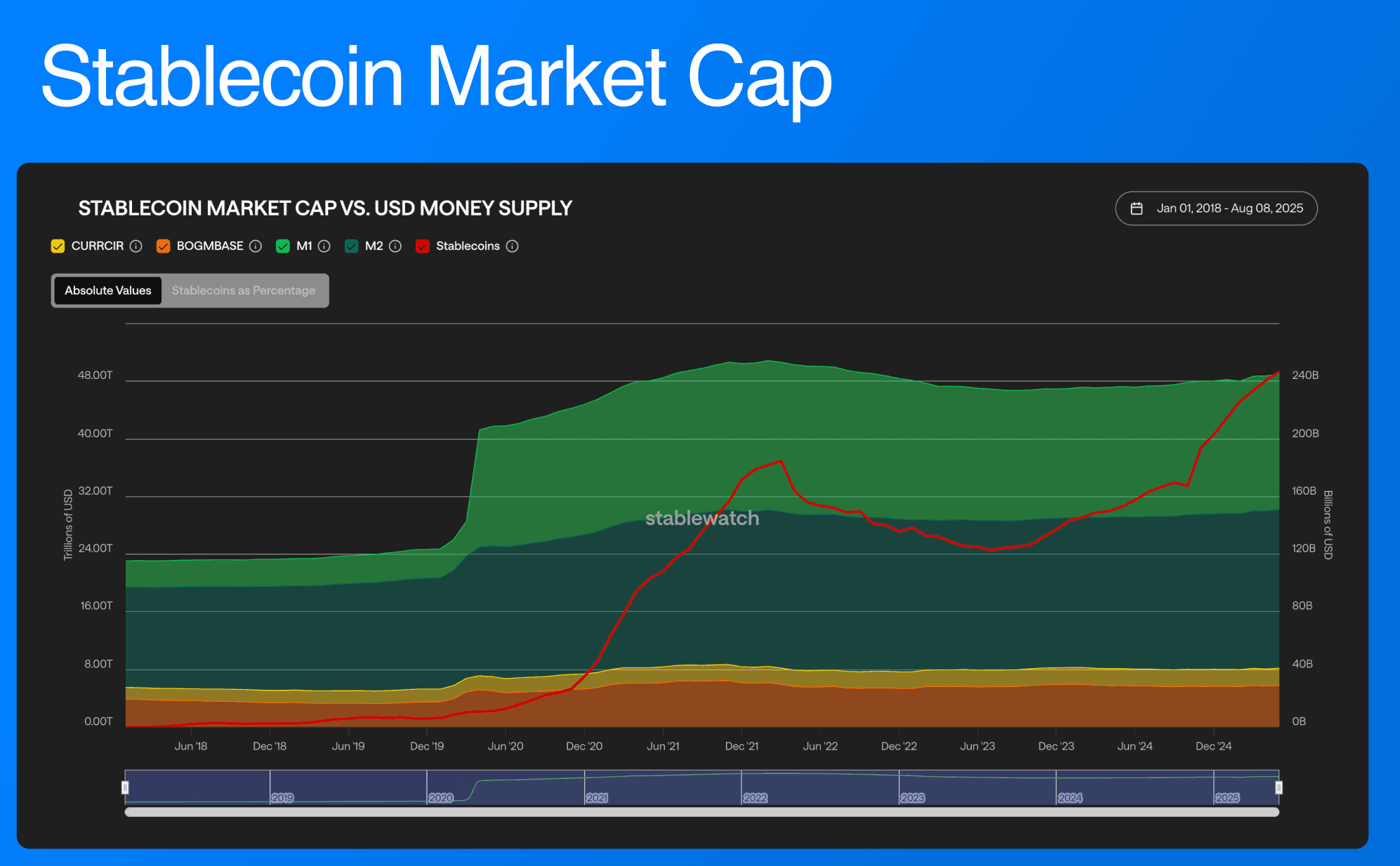
2025: The Year Money Went Global Andreessen Horowitz’s State of Crypto 2025 report landed with a clear message — crypto isn’t the sideshow anymore.Stablecoins are now powering $46 trillion in yearly transactions. That’s not speculation. That’s real economic activity — money moving between people, platforms, and countries faster than any card network ever could. What’s […]
VaultLeap
From Five Steps to Three: How Mohammed Fixed His Broken Payment Flow
Mohammed is a freelance developer on Upwork, based in Africa.Like many global freelancers on Upwork, his work is international -but his money?That’s a different story. For years, Mohammed relied on a complex, fragile chain just to access the money he earned online. The Old Routine Here’s how it used to work: The Problem He wasn’t alone.Tens […]
VaultLeap